
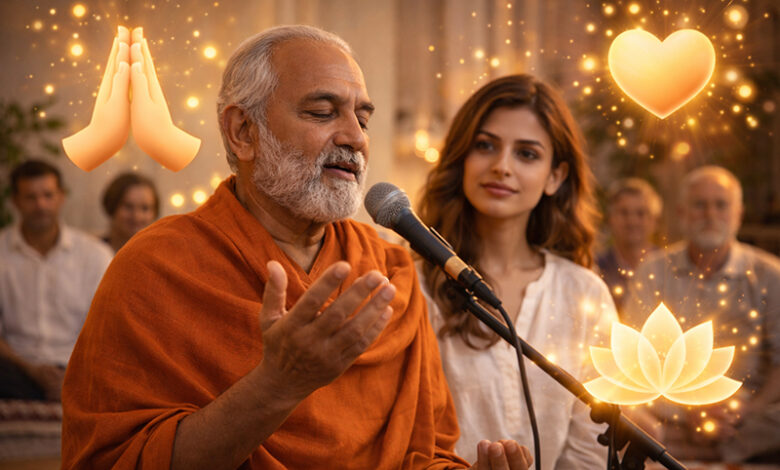
Spiritual Leaders Emphasize Compassion and Mindfulness as Society Navigates Uncertainty
December 21: Spiritual leaders across traditions are urging people to adopt compassion, mindfulness, and ethical living as guiding principles amid growing social and emotional uncertainty. Through sermons, discourses, and community interactions, spiritual figures are calling for a conscious shift in how individuals respond to stress, disagreement, and rapid change in daily life.
The message, echoed across temples, meditation centres, spiritual forums, and community gatherings, reflects a shared concern about rising anxiety, social division, and emotional fatigue. Leaders emphasize that while external challenges may persist, inner discipline and mindful conduct can help individuals and communities remain resilient.
A Call for Inner Awareness
Central to the guidance offered by spiritual leaders is the practice of mindfulness—being fully present and aware of one’s thoughts, emotions, and actions. Teachers explain that mindfulness helps individuals pause before reacting, reducing impulsive behavior driven by fear or anger.
In public addresses, leaders have highlighted that unchecked emotional reactions often escalate conflict, whether in families, workplaces, or society at large. By cultivating awareness, individuals can respond with clarity rather than frustration.
Mindfulness practices such as meditation, prayer, and silent reflection are being encouraged as daily habits rather than occasional rituals.
Compassion as a Social Value
Alongside mindfulness, compassion has emerged as a key theme in spiritual discourse. Leaders emphasize that compassion is not limited to acts of charity but includes everyday interactions—listening patiently, offering understanding, and refraining from judgment.
Spiritual teachers note that societal pressures often lead individuals to prioritize personal success over collective well-being. In response, they advocate for empathy-driven actions that consider the impact of one’s behavior on others.
Community leaders report that messages centered on compassion are resonating strongly, particularly among those feeling disconnected or overwhelmed.
Addressing Modern Stress and Anxiety
Spiritual leaders acknowledge that modern lifestyles contribute significantly to stress and emotional imbalance. Constant connectivity, competitive environments, and uncertainty about the future have left many feeling unsettled.
Rather than retreating from responsibilities, leaders encourage integrating spiritual awareness into daily routines. Simple practices such as mindful breathing, gratitude, and ethical decision-making are being promoted as tools for emotional stability.
Spiritual counselors note that such practices help individuals regain a sense of control and purpose without requiring drastic lifestyle changes.
Ethical Living in Daily Life
Ethical living has also been emphasized as a foundation for inner peace and social harmony. Leaders stress that honesty, responsibility, and respect are essential values that extend beyond religious observance.
In discussions, spiritual figures have pointed out that ethical compromises—whether in professional, personal, or social settings—often lead to internal conflict and emotional distress. Aligning actions with values, they say, fosters integrity and long-term peace of mind.
These teachings are increasingly being framed as universal principles applicable across cultures and belief systems.
Community Engagement and Collective Responsibility
Spiritual leaders are also calling for renewed community engagement, encouraging individuals to support one another during challenging times. Group prayer sessions, meditation gatherings, and service initiatives are being organized to foster collective resilience.
Community organizers note that shared spiritual activities create spaces for dialogue, healing, and mutual support. Participants often report a sense of belonging and reassurance that reduces feelings of isolation.
Leaders stress that collective well-being begins with individual awareness but is strengthened through shared responsibility.
Relevance Across Generations
The message of mindfulness and compassion is finding relevance across generations. While elders often draw on traditional teachings, younger individuals are engaging with spiritual principles through contemporary formats such as workshops, discussion circles, and guided practices.
Spiritual mentors say this intergenerational exchange enriches understanding, blending wisdom with adaptability. Younger participants, in particular, are drawn to practical applications of spirituality that address emotional health and social relationships.
This engagement reflects a broader effort to make spiritual teachings accessible and relevant in modern contexts.
Role of Spiritual Institutions
Spiritual institutions are increasingly positioning themselves as centers for emotional and ethical guidance rather than solely places of worship. Many have expanded programs focused on stress management, relationship harmony, and personal growth.
Leaders emphasize that spirituality should offer practical tools for navigating life’s challenges. By addressing real-world concerns, institutions aim to remain meaningful and supportive for their communities.
Observers note that this shift has increased participation and strengthened trust between spiritual leaders and the public.
Balancing Reflection and Action
While mindfulness emphasizes inner reflection, leaders stress that spirituality must translate into action. Compassion, they say, is meaningful only when expressed through behavior—helping others, resolving conflicts peacefully, and contributing positively to society.
Spiritual guidance encourages individuals to act with awareness in professional and civic life, reinforcing the idea that ethical conduct is integral to both personal fulfillment and social stability.
This balance between reflection and action is being highlighted as essential for holistic well-being.
Public Response and Broader Impact
Public response to the emphasis on compassion and mindfulness has been largely positive. Many individuals report feeling encouraged to slow down, reflect, and approach challenges with greater patience.
Mental health professionals also acknowledge the complementary role of spiritual practices in supporting emotional resilience. When combined with practical coping strategies, mindfulness and compassion can enhance psychological well-being.
Conclusion
As societies navigate periods of uncertainty and rapid change, spiritual leaders are reinforcing timeless values of mindfulness, compassion, and ethical living. By encouraging inner awareness and empathetic action, they aim to help individuals maintain balance and contribute positively to their communities.
The growing resonance of these messages suggests a collective desire for deeper meaning and emotional stability. As people integrate mindfulness and compassion into daily life, spiritual guidance continues to serve as a steady anchor—offering clarity, resilience, and hope in an uncertain world.
