
Pilgrimage Sites See Rising Footfall as Devotees Seek Spiritual Renewal and Inner Peace
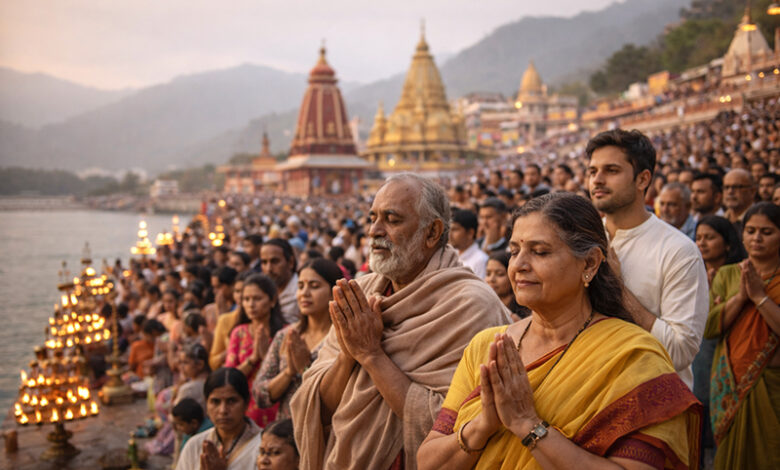
December 21: Pilgrimage sites across the country are witnessing a noticeable increase in footfall, as devotees from different regions travel to sacred destinations in search of spiritual renewal, guidance, and inner peace. Temples, shrines, and traditional pilgrimage centers have reported higher-than-usual participation in prayers, rituals, and spiritual discourses, reflecting a renewed public engagement with faith and devotion.
Religious authorities and local administrations note that the surge includes individuals from diverse age groups, including young adults, families, and elderly devotees. Many pilgrims describe their journeys as opportunities for reflection, emotional healing, and reconnection with spiritual values amid the pressures of modern life.
Increased Movement at Sacred Destinations
Major pilgrimage towns and religious centers have observed steady streams of devotees since early morning hours. Long queues for darshan, special prayer ceremonies, and community offerings have become a common sight, particularly during auspicious periods.
Temple management committees report that arrangements have been strengthened to manage crowd flow, ensuring orderly movement and safety. Additional volunteers and support staff have been deployed to assist pilgrims, especially senior citizens and families with children.
Devotees say the atmosphere at these sites offers a sense of calm and reassurance that contrasts with daily routines.
Spiritual Motivation Behind the Journey
Pilgrims cite various reasons for undertaking these journeys, ranging from gratitude and devotion to seeking strength during challenging personal or professional phases. Many describe pilgrimages as deeply personal experiences that allow them to pause, reflect, and reconnect with their faith.
Spiritual guides explain that pilgrimage has traditionally been viewed as a means of inner purification and self-discovery. Walking sacred paths, participating in rituals, and spending time in prayer are believed to foster humility and emotional clarity.
For many, the journey itself is considered as meaningful as the destination.
Role of Rituals and Sacred Practices
Rituals such as early-morning prayers, chanting, offering lamps, and collective recitations are drawing large participation. Devotees say these practices create a sense of unity and shared purpose.
Spiritual leaders emphasize that rituals are not merely symbolic but serve as tools for mindfulness and gratitude. By engaging fully in these practices, individuals are encouraged to cultivate patience, discipline, and devotion.
Special spiritual discourses and satsangs held at pilgrimage sites have also attracted audiences seeking guidance on ethical living and inner balance.
Economic and Community Impact
The rise in pilgrimage activity has also brought economic benefits to local communities. Small businesses, including accommodation providers, transport services, and vendors, have reported increased activity.
Local authorities note that pilgrimage-driven tourism supports livelihoods while reinforcing the cultural significance of these regions. Community members often participate in service activities, such as offering food and assistance to pilgrims, reinforcing values of generosity and compassion.
Officials stress the importance of balancing economic activity with environmental responsibility to preserve the sanctity of sacred sites.
Safety and Infrastructure Measures
With rising footfall, authorities have stepped up safety and infrastructure arrangements. Crowd management systems, medical support units, and sanitation services have been enhanced to ensure a smooth experience for devotees.
Officials have urged pilgrims to follow guidelines, remain patient during peak hours, and cooperate with volunteers. Emergency response teams remain on standby to address health or safety concerns promptly.
Efforts are also being made to maintain cleanliness and environmental sustainability at pilgrimage locations.
Younger Generation Participation
An interesting trend observed by organizers is the growing participation of younger devotees. Many young pilgrims are traveling with family members or in groups, viewing pilgrimages as opportunities for spiritual grounding.
Spiritual mentors note that younger participants are increasingly interested in understanding the philosophical meaning behind rituals rather than performing them mechanically. This curiosity has led to greater engagement in spiritual discussions and learning sessions.
Experts believe this generational involvement is crucial for preserving spiritual traditions while allowing them to evolve.
Pilgrimage in Modern Context
In the modern context, pilgrimage is being reinterpreted as a holistic experience combining faith, mental well-being, and cultural connection. Many devotees describe feeling emotionally lighter and mentally refreshed after visiting sacred places.
Spiritual practitioners explain that stepping away from daily routines, digital distractions, and professional pressures allows individuals to reconnect with their inner selves. Pilgrimage thus serves as both a spiritual and emotional reset.
Digital platforms have also played a role in organizing journeys, making information and planning more accessible to devotees.
Environmental and Ethical Awareness
Alongside increased participation, there is growing awareness around responsible pilgrimage practices. Spiritual leaders and organizers are encouraging devotees to minimize waste, respect local ecosystems, and maintain cleanliness.
Messages promoting ethical conduct, humility, and gratitude are being shared during discourses. Leaders emphasize that true devotion includes care for the environment and respect for fellow pilgrims.
This emphasis reflects a broader effort to align spiritual practice with social responsibility.
Looking Ahead
As pilgrimage activity continues, authorities and spiritual organizations expect sustained participation in the coming weeks. Organizers are planning additional arrangements to accommodate devotees while preserving the sanctity of sacred spaces.
Spiritual leaders encourage pilgrims to carry the lessons of patience, compassion, and mindfulness back into their daily lives, viewing pilgrimage as the beginning of inner transformation rather than a one-time event.
Conclusion
The rising footfall at pilgrimage sites highlights a renewed collective turn toward spirituality, reflection, and faith. As devotees seek peace and purpose through sacred journeys, pilgrimage continues to serve as a powerful expression of devotion and inner renewal.
In an increasingly fast-paced world, these spiritual journeys offer moments of stillness and meaning—reinforcing timeless values of humility, gratitude, and connection that transcend generations.
