
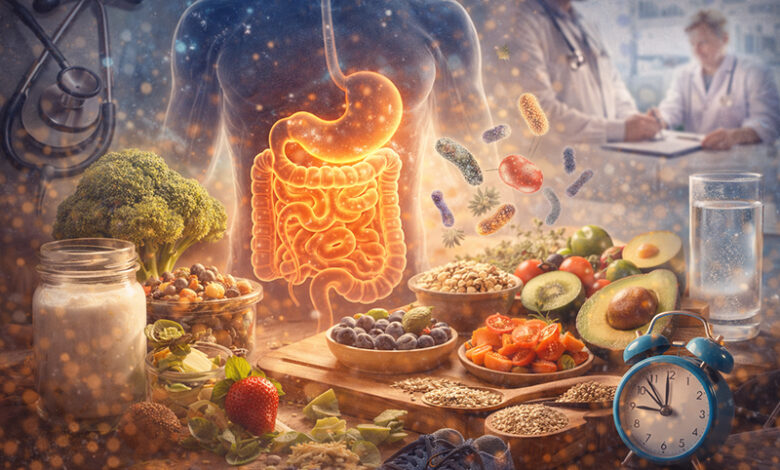
Growing Focus on Gut Health as Doctors Stress Its Role in Immunity and Overall Well-Being
December 21:
Health experts are increasingly drawing attention to the critical role of gut health in maintaining overall physical and mental well-being, as awareness grows about its connection to immunity, metabolism, and emotional balance. Medical professionals say that digestive health, long overlooked, is now emerging as a central pillar of preventive healthcare.
Doctors and nutrition specialists report a rise in patients presenting symptoms such as bloating, irregular digestion, fatigue, frequent infections, and stress-related disorders—many of which are linked to poor gut function. This trend has prompted renewed emphasis on lifestyle-based interventions rather than symptom-focused treatment alone.
Understanding the Gut’s Role in the Body
The gut, often referred to as the “second brain,” houses trillions of microorganisms that play a vital role in digestion, nutrient absorption, and immune defense. Experts explain that a balanced gut microbiome helps regulate inflammation, supports hormone function, and protects against harmful pathogens.
Health professionals note that nearly 70 percent of the body’s immune cells are associated with the digestive system. As a result, disruptions in gut health can weaken immunity, making individuals more susceptible to infections and chronic illnesses.
In addition, emerging research suggests a strong gut–brain connection, meaning digestive health can significantly influence mood, stress levels, and cognitive function.
Lifestyle Factors Affecting Gut Health
Doctors identify modern lifestyle habits as major contributors to declining gut health. Diets high in processed foods, sugar, and unhealthy fats can disrupt the balance of beneficial bacteria in the gut. Irregular meal timings, skipping meals, and overeating further strain the digestive system.
Chronic stress is also being highlighted as a key factor. Prolonged stress can alter gut bacteria composition and slow digestion, leading to discomfort and inflammation. Medical experts stress that mental health and gut health are closely interconnected and should be addressed together.
Lack of physical activity and insufficient sleep are additional concerns, as both play essential roles in maintaining healthy digestion.
Dietary Changes Recommended by Experts
Nutritionists emphasize that gut health can be significantly improved through dietary changes. Foods rich in dietary fiber, such as fruits, vegetables, whole grains, and legumes, help nourish beneficial gut bacteria and promote regular digestion.
Fermented foods like curd, yogurt, and traditional fermented vegetables are increasingly being recommended due to their probiotic content. These foods introduce beneficial bacteria that help restore microbial balance.
Doctors also advise reducing intake of ultra-processed foods, artificial sweeteners, and excessive alcohol, as these can harm gut lining and bacterial diversity.
Hydration is another key element, with experts noting that adequate water intake supports digestion and prevents constipation.
Rise in Preventive Healthcare Awareness
Healthcare professionals say the growing focus on gut health reflects a broader shift toward preventive medicine. Rather than treating illness after it occurs, doctors are encouraging individuals to adopt habits that maintain long-term health.
Workplace wellness programs, fitness communities, and health campaigns are increasingly promoting digestive health awareness. Many people are now seeking dietary counseling and lifestyle guidance before serious symptoms develop.
Medical practitioners believe this shift could reduce the burden of lifestyle-related diseases over time.
Caution Against Self-Medication
Despite rising awareness, doctors caution against excessive reliance on supplements without medical guidance. While probiotics and digestive aids can be helpful in specific cases, experts stress that not all supplements suit everyone.
Self-medication, particularly with antibiotics or digestive enzymes, can worsen gut imbalance if used incorrectly. Healthcare professionals advise consulting a doctor before starting any gut-related supplement, especially for individuals with existing medical conditions.
Doctors also emphasize that gut health improvement is a gradual process, requiring consistency rather than quick remedies.
Mental Health and Digestive Balance
Mental health specialists highlight that anxiety, depression, and prolonged emotional stress often manifest as digestive symptoms. Conditions such as irritable bowel discomfort and appetite changes are commonly linked to psychological stress.
Mindfulness practices, regular exercise, and adequate sleep are being recommended alongside dietary changes to support gut balance. Many doctors now adopt a holistic approach, addressing both emotional and physical health in treatment plans.
Experts believe recognizing the gut–mind connection can improve outcomes for patients struggling with chronic digestive issues.
Public Response and Changing Habits
Public interest in gut health has grown significantly, with many individuals making conscious changes to their diets and routines. Health professionals report increased patient inquiries about nutrition, probiotics, and lifestyle adjustments.
Social awareness campaigns and health-focused media discussions have played a role in spreading information, encouraging people to take charge of their digestive health.
Doctors note that individuals who adopt consistent healthy habits often report improved energy levels, better immunity, and enhanced mental clarity.
Looking Ahead
As scientific understanding of the gut microbiome continues to evolve, healthcare experts expect gut health to remain a major focus in medical and wellness discussions. Ongoing studies aim to better understand how gut bacteria influence chronic diseases, aging, and mental health.
Medical professionals stress that while research continues, basic principles—balanced nutrition, stress management, and healthy routines—remain the foundation of good gut health.
Conclusion
The growing emphasis on gut health marks an important shift in how overall wellness is viewed and managed. By addressing digestive health through sustainable lifestyle changes, individuals can support immunity, mental balance, and long-term physical health.
Doctors reiterate that gut health is not an isolated concern but a reflection of overall lifestyle choices. As awareness continues to rise, experts hope more people will adopt preventive measures, making digestive wellness a daily priority rather than a reaction to illness.
